Understanding the Threat: The EHEC Infection Explained
The emergence and rapid spread of the
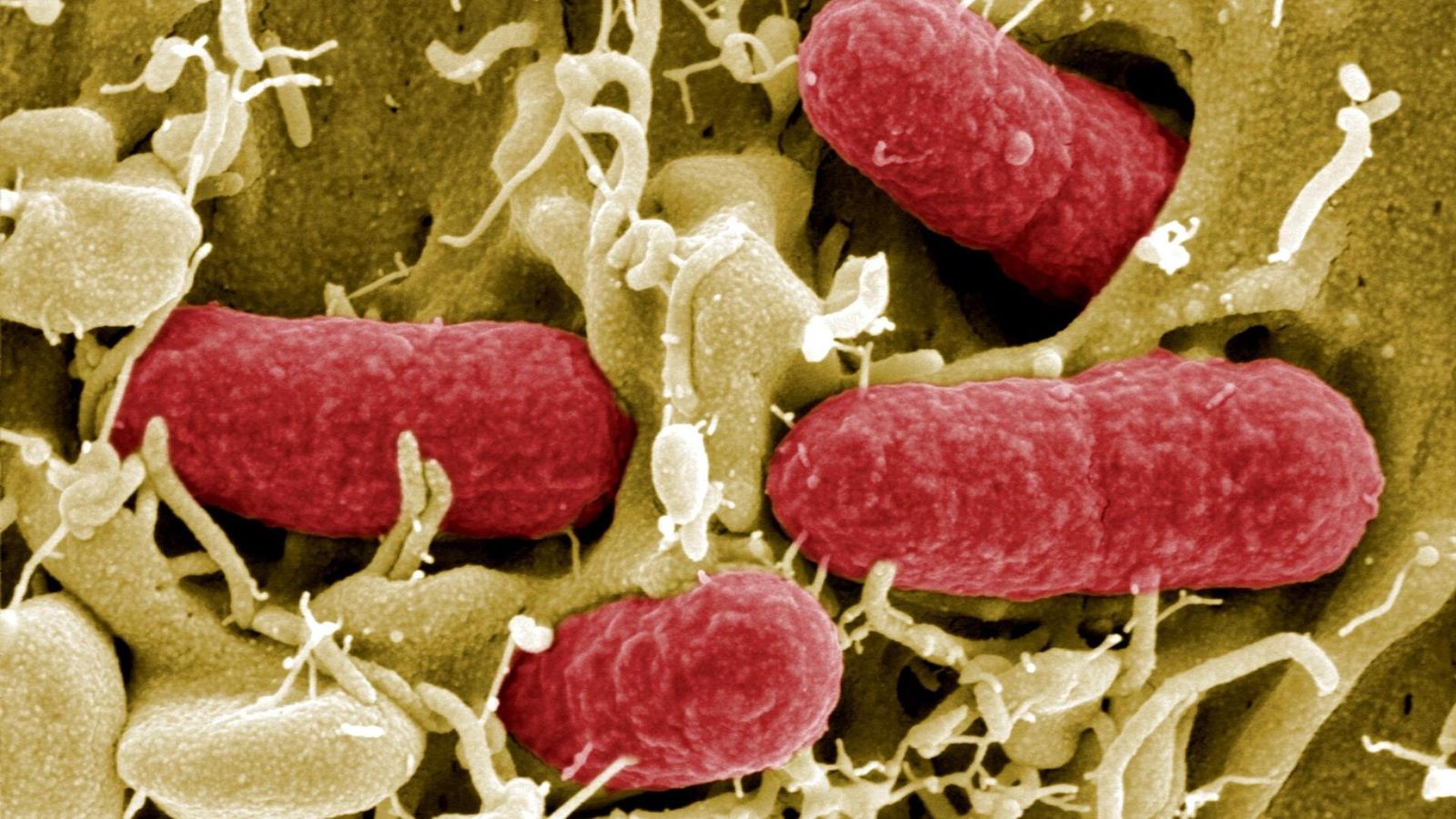
EHEC infection in Germany sent ripples of concern through public health circles and the general population. This serious foodborne illness, caused by a particularly virulent strain of Escherichia coli (E. coli), quickly became a dominant topic in the media, highlighting the unpredictable nature of bacterial outbreaks. Initially, the cause remained a perplexing mystery to scientists, fueling widespread anxiety. As the situation unfolded, the severity of the outbreak became tragically clear with the reporting of initial fatalities, including a young woman and two elderly senior citizens over the age of 80, who succumbed to the aggressive intestinal pathogens.
EHEC, short for Enterohemorrhagic Escherichia coli, produces powerful toxins known as Shiga toxins (hence sometimes called STEC). These toxins are what make the infection so dangerous, capable of causing severe gastrointestinal distress and potentially life-threatening complications. The initial uncertainty surrounding the source of contamination underscored the challenges faced by health authorities in containing such outbreaks and protecting public health. This article will delve into the nature of the EHEC infection, its symptoms, the specifics of the German outbreak, and crucial preventative measures everyone should adopt.
The Diverse Manifestations of EHEC Symptoms
One of the defining characteristics of an
EHEC infection is the wide variation in symptom intensity among affected individuals. While some may experience only mild discomfort or even remain asymptomatic, others can suffer from severe, debilitating illness. Understanding these symptoms is critical for early detection and prompt medical intervention.
Common symptoms associated with an EHEC infection include:
- Abdominal Cramps: Often severe and sudden, these can be a precursor to other gastrointestinal issues.
- Diarrhea: This is the hallmark symptom, which can range from watery to increasingly bloody as the infection progresses. The presence of blood in the stool is a significant red flag requiring immediate medical attention.
- Nausea and Vomiting: Many individuals will experience feelings of sickness and may vomit, further contributing to dehydration.
- Fever: While not always present, a low-grade fever can accompany the infection.
It was observed during the German outbreak that women appeared to be more frequently affected than men, though the exact reasons for this demographic difference were not immediately clear. Generally, children, the elderly, and individuals with weakened immune systems are at a higher risk of developing more severe symptoms and complications.
The Grave Threat of Hemolytic Uremic Syndrome (HUS)
Beyond the immediate gastrointestinal symptoms, the most concerning complication of an
EHEC infection is Hemolytic Uremic Syndrome (HUS). HUS is a serious condition characterized by:
- Hemolytic Anemia: The destruction of red blood cells.
- Thrombocytopenia: A low platelet count, which impairs blood clotting.
- Acute Kidney Failure: Damage to the kidneys, sometimes requiring dialysis.
HUS primarily affects the kidneys and can lead to permanent kidney damage or even death, particularly in young children and the elderly. The development of HUS transforms the infection from a severe gastrointestinal illness into a life-threatening systemic condition, highlighting the critical importance of early diagnosis and supportive care. If you or someone you know experiences symptoms such as bloody diarrhea, intense abdominal pain, or reduced urination, it is imperative to seek medical help immediately.
The German Outbreak: Tracing the EHEC Source
The initial stages of the German
EHEC infection outbreak were marked by significant uncertainty and a frantic search for the source. Public health officials and scientists grappled with an unknown enemy, leading to widespread anxiety across the country. Initial hypotheses pointed towards raw vegetables, though some scientists questioned whether common supermarket produce could be the culprit, arguing that a wider demographic would likely have been affected in that scenario.
The breakthrough in identifying the source came when Health Senator Cornelia Prüfer-Storcks announced that salad cucumbers imported from Spain were responsible for transmitting the deadly intestinal bacteria. This crucial identification allowed authorities to take immediate action, with the contaminated cucumbers swiftly removed from the market. The clarity provided by this discovery was pivotal; it offered a tangible step towards containing the outbreak and mitigating further spread. Before this identification, the pervasive uncertainty had cast a shadow over fresh produce in general, leaving consumers unsure of what was safe to eat.
At the peak of the crisis, at least three lives had been lost, and hundreds of individuals were undergoing treatment for the infection. The rapid identification of the source was a testament to intensive epidemiological work and cross-border cooperation, which is essential in today's globalized food supply chain. While the immediate threat from the specific contaminated batch was neutralized, the incident served as a stark reminder of the constant need for vigilance in food safety and hygiene practices. For more detailed information on specific outbreak responses, you can read
Ehec Infektion - Article 2.
Essential Prevention Strategies for EHEC Infection
Preventing an
EHEC infection primarily revolves around stringent food hygiene practices and careful handling of produce and other foods. Even after the specific source of an outbreak is identified and contained, the general principles of food safety remain paramount to protect oneself and the community from future threats.
Here are practical, actionable steps to minimize your risk:
- Thorough Washing of Produce: Always wash all fruits and vegetables meticulously under running water, even if they have a peel that you intend to remove. Rubbing produce under water can help dislodge bacteria. For leafy greens, separate the leaves and rinse thoroughly.
- Cooking Food Properly: While the German outbreak was linked to raw vegetables, EHEC can also be transmitted through undercooked meat, especially ground beef. Ensure that all meat, poultry, and eggs are cooked to their recommended internal temperatures.
- Prevent Cross-Contamination: Use separate cutting boards, utensils, and plates for raw meat and poultry, and for ready-to-eat foods like vegetables. Always wash hands, cutting boards, and utensils with hot, soapy water after they come into contact with raw meat.
- Hand Hygiene: This is arguably the most critical preventative measure. Wash your hands thoroughly with soap and warm water for at least 20 seconds:
- Before and after preparing food.
- After using the toilet.
- After changing diapers.
- After contact with animals (especially farm animals or in petting zoos).
- Avoid Unpasteurized Products: Steer clear of raw milk, unpasteurized juices, and artisanal cheeses made from unpasteurized milk, as these can harbor EHEC and other harmful bacteria.
- Safe Water Sources: When traveling or in areas with uncertain water quality, consume only bottled or boiled water.
- Beware of Contaminated Water: Avoid swimming in or drinking from untreated recreational water, such as ponds, lakes, or unchlorinated pools, as these can be sources of E. coli.
These practices are not merely recommendations; they are vital habits that can significantly reduce the risk of contracting foodborne illnesses like EHEC. Public awareness and adherence to these simple, yet effective, measures are crucial in maintaining community health and preventing future outbreaks. For more information on ongoing research and prevention strategies, you might find
Ehec Infektion - Article 3 helpful.
Conclusion: Vigilance and Empowerment Against EHEC
The German EHEC outbreak served as a potent reminder of the fragility of our food safety systems and the critical importance of public health vigilance. From the initial perplexing mystery to the eventual identification of contaminated Spanish cucumbers, the event highlighted the complex interplay between global food supply chains, bacterial pathogens, and human health. The tragic loss of life and the severe illness experienced by hundreds underscored the dangerous potential of this virulent bacterial infection and its capacity to cause complications like Hemolytic Uremic Syndrome.
While health authorities and scientists work tirelessly to understand and contain such threats, individual empowerment through knowledge and proactive prevention remains our most robust defense. Understanding the varied symptoms of an
EHEC infection – from mild discomfort to severe, bloody diarrhea – and knowing when to seek urgent medical attention is paramount. Equally important are the consistent application of basic yet effective hygiene practices: thorough washing of produce, proper food handling, and diligent handwashing. By integrating these practices into our daily routines, we can significantly reduce our risk and contribute to a safer, healthier community. Stay informed, stay vigilant, and prioritize your health.